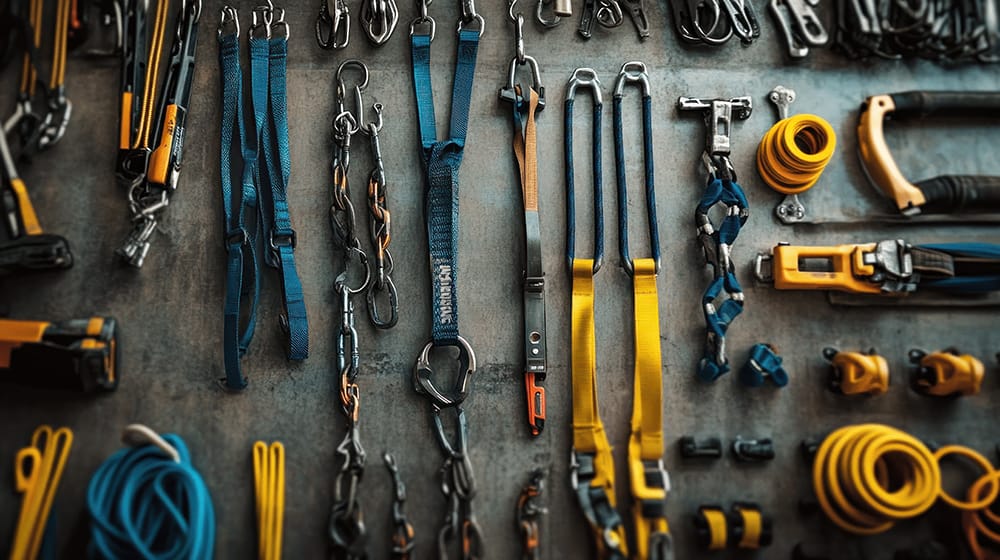
Working at Height: The Importance of Tool Tethering & Lanyards – Guidance from IRATA Topic Sheet No. 31
At MCL Height Safety, we understand that working at height is high risk - and one of the most avoidable hazards in rope access and elevated work environments is dropped tools. These incidents don’t just pose a danger to workers but can also jeopardise the safety of those on the ground and result in serious injury or downtime.
To support safety in our industry, IRATA has released Topic Sheet No. 31: Tool Tethers and Lanyards, offering essential guidance on safe tool tethering practices for rope access technicians. As a trusted provider of IRATA training, harness and lanyard training, and operational height safety services, MCL Height Safety strongly encourages all rope access professionals and companies to review this latest guidance.
Why Tool Tethering Matters in Rope Access
Dropped tools remain a leading cause of incidents in work-at-height operations. Whether it's a spanner, drill, or small hand tool, even lightweight items can cause severe injuries when falling from height.
Topic Sheet No. 31 provides clear and actionable advice to help workers reduce this risk through correct tethering techniques and suitable equipment use.
Selecting the Right Tool Tether
The IRATA Topic Sheet outlines four primary types of tool tethers:
Lanyards (shock-absorbing or static)
Retractable tethers
Tool holsters
Tool bags or buckets
When choosing the appropriate tether, workers must consider:
Load rating
Tether length (shorter to reduce swing, longer for mobility)
Strength and material type
Secure attachment points on tools and PPE
Regular inspection of tether integrity and task-specific training are key factors in maintaining tool security.
Real-World Case Studies
Case Study 1: Failure from Improper Knotting
A technician used a makeshift tether made from accessory cord to secure a tool. While changing position, the knot came loose, and the tool fell 35 metres into a manned exclusion zone. Thankfully, no one was injured - but the incident could have had catastrophic consequences.
Case Study 2: Misuse of Mag Drill Tether
In another incident, a heavy magnetic drill was incorrectly tethered directly to the technician’s harness. When the power was cut by a third party, the drill detached from the surface and swung into the technician, causing injuries to the leg and hip. The technician required rescue, and the incident exposed multiple procedural failures.
Key Takeaways from Topic Sheet No. 31
Use appropriate, task-specific tethers
Never use non-certified tethering materials or DIY methods
Avoid tethering heavy equipment to the body - use independent anchor points
Inspect all tethering equipment regularly
Ensure all workers are trained and competent in tethering and risk assessment
MCL Height Safety – Your Partner in Safe Working at Height
We don’t just deliver world-class IRATA training - we also support operational projects at height and provide bespoke harness and lanyard inspection training, confined space, and working at height courses. Our instructors are industry professionals who bring real-world insight and technical knowledge into every session.
By training with MCL, you’ll gain:
Hands-on experience with best practices
In-depth understanding of tool tethering systems
IRATA-recognised qualifications for working safely at height
Training available at our state-of-the-art facilities in Leyton (East London), Earlsfield (South London), and Stallingborough (Humberside).
Download the Guidance
For full details, we recommend reading the IRATA Topic Sheet No. 31: Tool Tethers and Lanyards, available directly via IRATA International. It includes clear illustrations, hazard analysis, and a breakdown of safe practices.
Ready to Elevate Your Safety Standards?
Whether you're preparing for an IRATA assessment or reviewing your site’s safety protocols, MCL Height Safety is here to help you build a safer future at height.
Call: 0208 558 5688
Email: [email protected]
Visit: www.mclheightsafety.com
Don’t let safety slip through your fingers - secure your tools, protect your people.