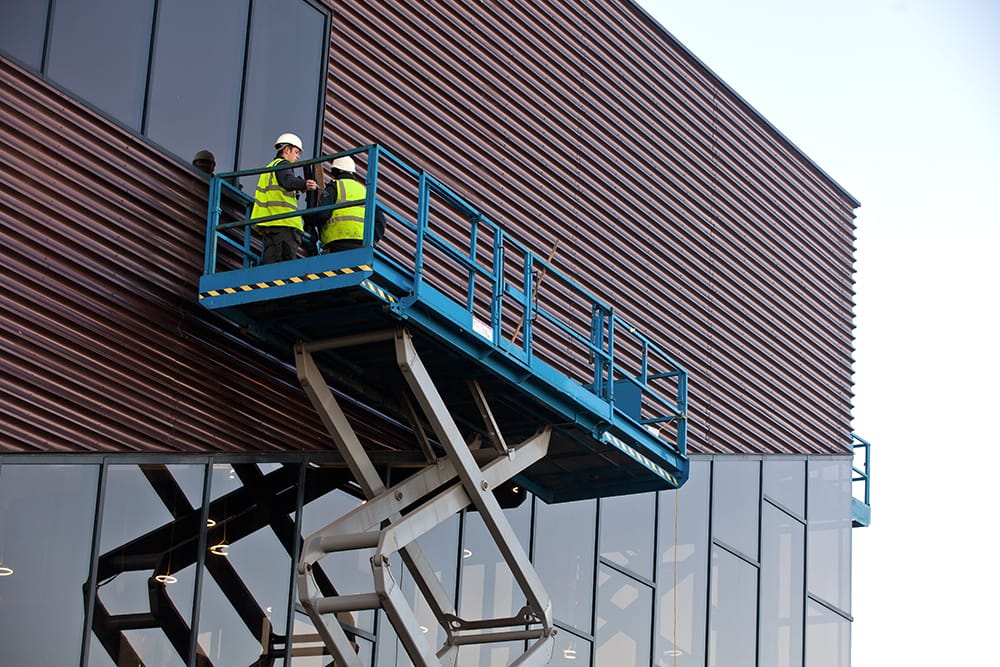
At MCL Height Safety, we're committed to making sure every worker operating above ground level understands what constitutes working at height and how to do it safely. Whether you're a seasoned rope access technician or just stepping into the world of high-level work, understanding the definition, risks, and legal responsibilities is crucial.
Defining Working at Height
According to the Health and Safety Executive (HSE), "work at height" means work in any place where, if precautions were not taken, a person could fall a distance liable to cause personal injury.
You are considered to be working at height if you:
- Work above ground or floor level
- Could fall from an edge, through an opening or fragile surface
- Could fall from ground level into an opening in the floor or a hole in the ground
- Note: Slips and trips on the same level are not considered "work at height," nor is walking up or down a permanent staircase.
Common Examples of Working at Height:
- Roof work
- Use of ladders or scaffolding
- Tower climbing
- Rope access
- High-rise window cleaning
- Maintenance work in elevated areas (e.g., wind turbines, telecom towers)
Why It Matters
Falls from height remain the leading cause of fatal accidents in the workplace. According to HSE statistics, falls from height accounted for 30% of all fatal injuries in UK workplaces in recent years.
Legal Requirements: The Work at Height Regulations 2005
These regulations place duties on employers and anyone who controls work at height activities, such as facilities managers or building owners.
You must ensure:
- All work at height is properly planned and organised
- Individuals involved are competent and trained
- Risks are assessed, and appropriate work equipment is selected and used
- Fragile surfaces are clearly identified and protected
- Equipment is inspected and maintained properly
How to Comply and Stay Safe
Before working at height, follow these simple steps:
- Avoid working at height where it's reasonably practicable.
- If work at height is unavoidable, prevent falls by using existing safe places of work or selecting suitable access equipment (e.g., MEWPs, scaffold towers).
- If risk remains, minimise distance and consequences of a fall using PPE such as fall arrest systems.
- Use collective protection (guardrails, nets) before relying on personal protection (harnesses, lanyards).
Factors to Assess:
- Height and duration of the task
- Frequency of the task
- Ground/surface conditions
MCL Height Safety: Expert Training to Meet Regulations
To help businesses and individuals comply with legislation and protect lives, MCL Height Safety offers a suite of Working at Height training courses designed for:
- Roofers
- Scaffolders
- Arborists
- Wind turbine technicians
- Rope access professionals
- Engineers and maintenance staff
Our courses include:
Rope Access (IRATA Levels 1-3)
Kee Line Installation Training
Courses are delivered at our fully equipped training facilities in East London, South London, and Humberside, or can be arranged at your location.
Why Choose MCL Height Safety?
- Expert instructors with real-world experience
- Accredited and industry-recognised qualifications
- Purpose-built training environments
- Flexible payment options including Klarna, Clearpay, Apple Pay and Google Pay
Don’t wait until a fall happens – get trained and stay compliant.
Book your Working at Height course today and build a safer future for your workforce.
Call: 0208 558 5688
Email: [email protected]
Visit: www.mclheightsafety.com
https://mclheightsafety.com/courses/working-at-height/