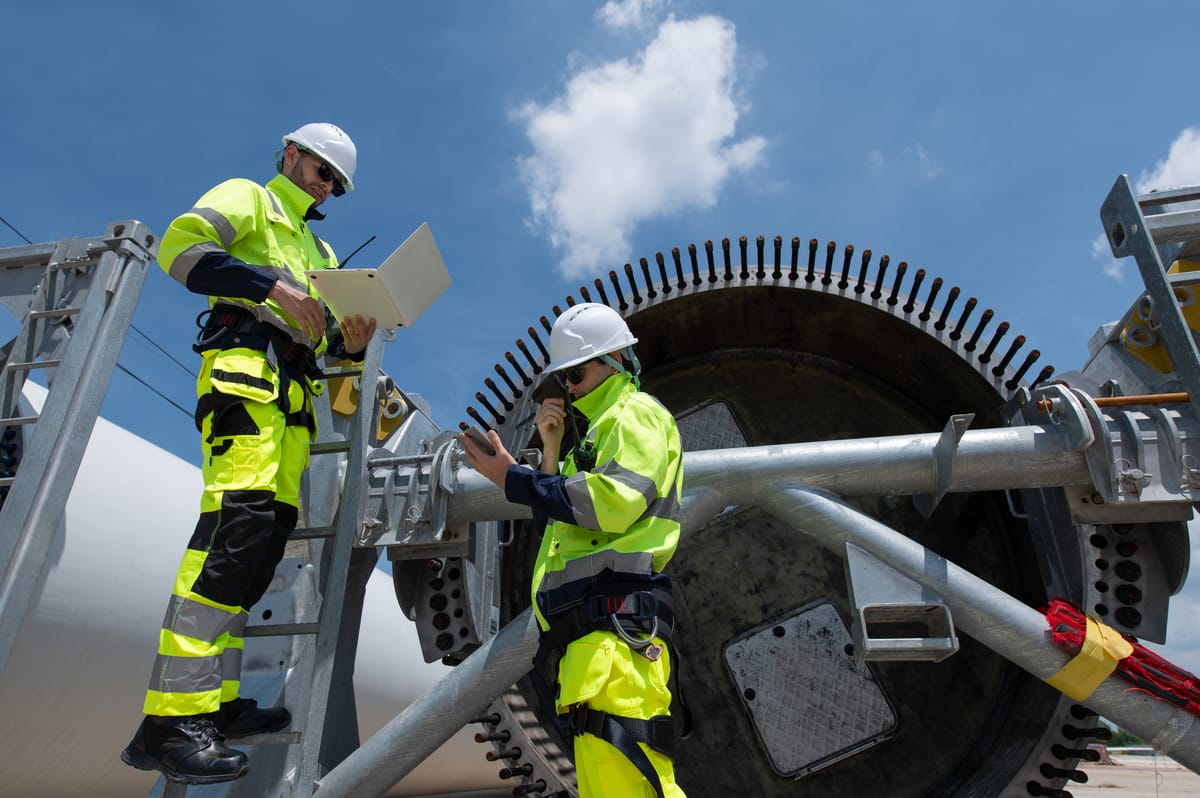
The Importance of Safety in Wind Energy
Wind turbines present an incredible opportunity to drive us towards a cleaner, more sustainable future. However, alongside these opportunities come significant challenges - protecting workers while maintaining operational efficiency is paramount. Ensuring the safety of those working on and around wind turbines, both onshore and offshore, not only safeguards lives but also prevents costly downtime that could impact energy production and business revenue. By investing in premium safety equipment
Wind turbines present an incredible opportunity to drive us towards a cleaner, more sustainable future. However, alongside these opportunities come significant challenges - protecting workers while maintaining operational efficiency is paramount.
Ensuring the safety of those working on and around wind turbines, both onshore and offshore, not only safeguards lives but also prevents costly downtime that could impact energy production and business revenue. By investing in premium safety equipment and rigorous training, businesses can demonstrate a commitment to worker welfare and long-term sustainability, even in the most demanding conditions.
Protect Your Business by Protecting Your People
The demand for renewable energy is ever-increasing, placing greater responsibility on those who build, maintain, and repair wind turbines. Technicians, engineers, and maintenance teams play a critical role in ensuring these structures operate efficiently and safely.
With the wind energy sector experiencing steady growth year on year, maintaining these complex machines while protecting workers is more important than ever. However, working with wind turbines presents a unique set of risks - particularly when performing construction, maintenance, or repairs. Prioritising worker safety is essential, not only for compliance but also for maximising efficiency and minimising operational disruptions.
Onshore Wind Turbine Hazards
Working at Height
Wind turbine towers often exceed 100 metres in height, requiring technicians to work at extreme elevations on narrow platforms. Falls from height remain one of the biggest risks in this industry, making the use of fall protection equipment, proper training, and strict adherence to safety procedures absolutely essential.
Electrical Hazards
As power-generating structures, wind turbines expose maintenance workers to the risks of electric shocks, arc flashes, and electrical fires. To mitigate these hazards, workers must receive thorough training in electrical safety and use industry-approved personal protective equipment (PPE) to prevent injuries.
Blade Hazards
Wind turbine blades can reach over 50 metres in length and rotate at high speeds. Any technician working in proximity to the blades - particularly during repairs or replacement - is at risk of serious injury from impact. Strict safety protocols and advanced training in blade maintenance are vital to reducing these risks.
Mechanical & Fire Hazards
The nacelle houses multiple moving parts, including gearboxes, generators, and brake assemblies. These heavy mechanical components pose crushing, entanglement, and impact risks for technicians working inside. Additionally, the use of lubricants, hydraulic fluids, and electrical systems can create fire hazards. Implementing Lockout-Tagout (LOTO) procedures, using fire suppression systems, and conducting thorough safety inspections help to mitigate these dangers.
Offshore Wind Turbine Hazards
Extreme Weather Conditions
Offshore wind farms are exposed to rapidly changing weather, including high winds, heavy seas, and severe storms. These conditions make maintenance work significantly more dangerous, particularly when accessing turbines by boat or helicopter. Emergency response plans, weather monitoring, and proper PPE are crucial to worker safety in these environments.
Drowning & Cold Exposure
Falls into open water present a serious risk, particularly in cold offshore environments where hypothermia can set in quickly. Workers should always wear life jackets, survival suits, and other appropriate gear to maximise their chances of survival in the event of an emergency. Regular safety drills and training on emergency evacuation procedures are also essential.
Marine Hazards & Vessel Collisions
Offshore wind farms are often located near busy shipping routes, increasing the risk of vessel collisions with turbine structures. Proper navigation protocols, clear maritime safety regulations, and effective communication between vessels and wind farm operators help reduce the likelihood of such incidents.
The Cost of Downtime & Importance of PPE
Unscheduled maintenance or unexpected breakdowns can lead to substantial revenue losses, with downtime costs starting in the tens of thousands and escalating rapidly. Ensuring turbines remain operational requires a proactive approach, with regular servicing, safety inspections, and timely repairs.
However, maintaining turbine functionality is only part of the equation - worker safety must be the priority. The right PPE is just as critical as maintenance itself, including:
- Harnesses & Fall Arrest Systems – To protect against falls from height
- Head, Eye & Hearing Protection – To safeguard against mechanical and environmental hazards
- Protective Footwear & Gloves – To enhance grip, stability, and injury prevention
- Respiratory Protection – For environments where dust, fumes, or chemicals may be present
Routine equipment inspections are essential to ensure PPE remains in good condition, preventing failures that could result in serious injury or loss of life.
MCL Height Safety provides a full range of PPE solutions tailored to the needs of the wind energy sector, ensuring that workers are fully equipped to operate safely in high-risk environments.
Comprehensive Safety Training with MCL Height Safety
Beyond the right equipment, proper training is fundamental in preventing accidents and ensuring operational efficiency. MCL Height Safety offers industry-leading training to help wind turbine technicians develop the essential skills needed to work safely, including:
Sea Survival Training – Training for offshore technicians on emergency procedures, survival techniques, and rescue strategies in open water.
Fire Awareness Training– Understanding fire risks, fire suppression, and emergency response procedures in wind turbine environments.
Working at Heights Training – Practical and theoretical training on fall protection, rescue techniques, and safe working procedures at elevation.
First Aid Training – Emergency response training specific to the wind industry, including injury treatment and medical intervention.
Manual Handling Training– Proper lifting techniques and risk-reduction strategies to prevent strain and musculoskeletal injuries.
Advanced Rescue Training – Enhanced rescue training for complex emergency situations in wind turbine environments.
Enhanced First Aid Training – Additional medical response training for serious incidents, ensuring workers can manage injuries until professional help arrives.
Confined Space Training – Essential training for workers entering and operating in restricted or enclosed spaces within wind turbines.
PFPE Equipment Inspection – Ensuring that Personal Fall Protection Equipment is properly inspected, maintained, and compliant with safety regulations.
By equipping workers with the knowledge and skills necessary to handle the risks associated with wind turbine operations, MCL Height Safety helps businesses maintain compliance, reduce accidents, and protect their most valuable assets - their people.
Commitment to Safety: The Key to a Sustainable Future
While wind energy plays a vital role in achieving a clean-energy future, the risks associated with wind turbine operations, both onshore and offshore, must not be overlooked. A strong commitment to safety through comprehensive training, proper PPE, and strict adherence to safety protocols is crucial to protecting workers and maintaining operational efficiency.
By prioritising safety, companies can not only safeguard their workforce but also ensure the continued growth and success of the wind energy industry. Investing in high-quality protective equipment, expert-led training, and proactive risk management strategies will lead to fewer accidents, reduced downtime, and a safer, more productive workforce.
MCL Height Safety is here to support your business in making wind turbine operations safer, more efficient, and fully compliant with industry standards.
Contact us for further information
020 8558 5688