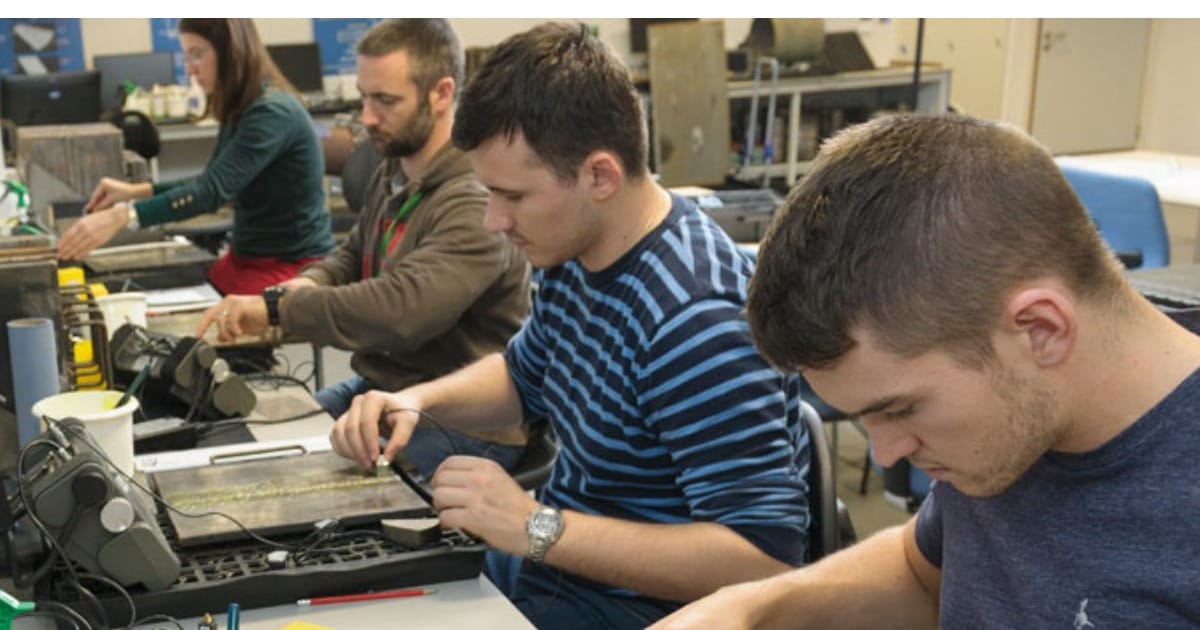
Classroom content:
Basic principles of sound; generation and detection of sound; behaviour of sound in a material; the flaw detector; use of angled beam probes for #weld scanning; #welding processes and weld defects; practical exercises on test specimens containing simulated flaws; examination of parent plate, butt #welds; instruction writing.
The course ends with the certification examination.
Training in accordance with the requirements of BS EN ISO 9712.
If time is an issue, please consider our blended learning option - study theory and concepts when and where you choose, then join the classroom sessions for hands-on practical, https://www.twitraining.com/home/programmes-and-courses/non-destructive-testing/conventional-ndt-methods/ultrasonic-testing-levels-1-and-2-blended-learning#1
By the end of the course, you should be able to:
- Explain the theoretical background of the techniques
- Calibrate ultrasonic equipment
- Measure the thickness of steel plates and determine levels of attenuation
- Locate and evaluate laminations
- Select the correct type of probe to examine welded butt joints in steel plate and aerospace components/structures
- Report on the location and size of defects in typical welded butt joints Interpret code requirements
- Meet the syllabus requirements for PCN/CSWIP Levels 1 and 2
Read more here, https://www.twitraining.com/home/programmes-and-courses/non-destructive-testing/conventional-ndt-methods/ultrasonic-testing-welds